
The Seals of Power, Part 1: Sealing Challenges in Green Energy
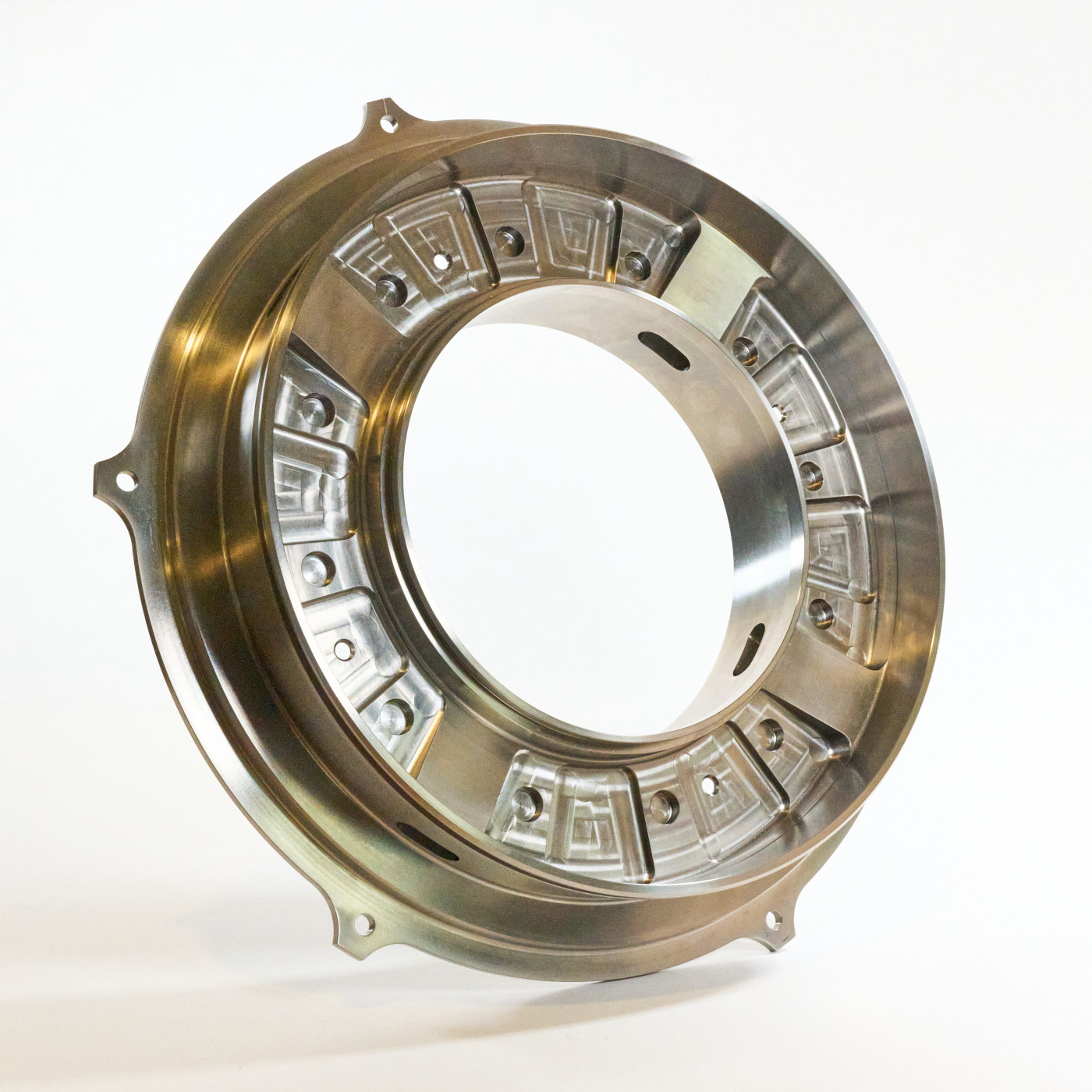 The need for renewable sources of energy grows more urgent every day. Engineering innovators are finding ways to capture energy from the natural world and convert it into safe, cost-effective power that can be stored and distributed dependably in a controlled manner.
We know that power can be generated from the sun, wind and water, from hydrothermal activity, and from biological and organic processes. Mechanical seals play a critical role in many of the methods used to produce power from renewable sources of energy. By mitigating leakage and optimizing containment of lubricants, gases, and process fluids in turbines, generators, pumps, gearboxes, and so on, industrial seals significantly improve the potential of all kinds of green energy production. Here are some examples:
Wind Power
The best place to place a wind-driven turbine is, of course, in the wind. But with the wind comes dust, moisture,, and pollutants, among other things. Land-based wind turbines need seals to provide protection from airborne contaminants while also preventing leakage of lubricants into the environment. Lastly, because wind turbines are notoriously difficult and dangerous to access for repairs, seals are essential to reducing contact wear to ensure the equipment longevity.
Hydropower
If ever there was an industrial process in need of good seals, hydropower would top the list. In hydropower, the kinetic energy of flowing water is captured by turbines and converted into electricity. As the water is channeled through the system, seals are critical to preventing leakage and maintaining the efficient transfer of energy.
Solar (CSP)
In solar power plants that use Concentrating Solar Power (CSP), the sun’s energy is captured by mirrors, and stored as thermal energy in water or other transfer fluid. This fluid is stored or pumped to turbines and generators where it joins the power grid as usable electricity. This requires considerable movement of fluids without leakage and minimal heat loss, and with maximum efficiency. Mechanical seals make it possible. .
Geothermal Power
Hot water, steam, and gases vent from below the earth’s surface are used to power the turbines in geothermal power plants. Pressure, corrosion, and thermal extremes are all intense in this environment, which makes seals critical to the success.
Wave and Tidal Power
In terms of raw power, nothing beats the ocean. But harnessing the force of the sea places equipment in some of the most extreme conditions on the planet. From the highly corrosive nature of saltwater to the largely powerful and unpredictable force of currents, waves and tides, the ocean does not surrender its energy easily. Still, the potential rewards make wave and tidal power production a worthy challenge.
Biomass Power
The market for biofuels is growing rapidly. These systems extract energy from fats found in organic material (plant- and/or animal-based sources). Like most forms of power generation, biofuel production is heavily dependent on mechanical seals to maximize performance and efficiency.
Because the natural world is relatively unpredictable, all forms of green energy production must be achievable under a wide range of conditions. Depending on the process fluids involved, compatibility issues require unique materials and custom engineering solutions. Knowing the range of temperature, pressure and other operating conditions is critical to making the right sealing decision.
Most forms of renewable energy are extracted from nature in small amounts through considerable effort. As technology evolves, payloads will invariably increase. Meanwhile, maximizing the efficiency of green energy production is critical to its viability, and that cannot be accomplished without the use of mechanical seals.
Next Up: Sealing Solutions for Green Energy
In Part 2 of the series, learn more about the sealing innovations at work in all forms of green energy production.


