Root Cause Analysis for Mechanical Seal Failures in Oil & Gas Facilities: How Stein Seal Helps Prevent Repeat Failures
Mechanical seal failures are rarely isolated events. In our experience working with some of America’s leading oil and gas operations, a seal failure is usually a symptom of deeper issues: improper seal design, inadequate or incompatible material selection, etc.
Whatever the underlying issue…simply replacing a failed seal only gets your equipment back up and running. It doesn’t address the underlying cause, nor improve uptime in the future. If improved uptime and better operational reliability is your goal, you need structured root cause analysis.
What is root cause analysis at Stein Seal?
Just like it sounds: when a seal fails, we dig down to the roots and get to the bottom of it.
Depending on the seal type, the application, and the equipment at hand, the actual testing and analysis process will vary. But essentially, our engineers find out the reasons behind the seal failure. In turn, we’re able to provide or develop a better seal for the application.
Beyond manufacturing industrial seals, Stein Seal strives to support the operational reliability and equipment uptime that our customers’ businesses depend upon. That means delivering engineering insight based on decades of real-world experience, as well as specific testing data for your application through root cause analysis when necessary.
What can root cause analysis tell you about seal failure?
Most repeat seal failures in oil and gas service trace back to a handful of recurring culprits, and each leaves a distinct signature.
Dry running is a common one. When a seal loses its fluid film, faces make contact and generate heat fast. You will often see heat checking, blistering, or discoloration on the seal faces. The seal did not fail on its own. Something starved it, whether that was a loss of suction, vapor lock, or a flush that stopped delivering.
Cavitation shows up differently. Vapor bubbles collapsing against the faces or components leave pitting and erosion that look almost sandblasted. That points you upstream toward suction conditions and NPSH margins rather than the seal itself.
Contamination is the quiet killer in dirty process streams. Abrasive particles, polymerized product, or crystallizing media score the faces and clog the seal chamber. When we see wear tracks that do not match the design geometry, contamination is usually near the top of the list.
Improper flush plans deserve their own mention because they are so often the hidden variable. An API seal support plan that looks correct on the P&ID can still be undersized, misrouted, or fouled in the field. If the barrier or buffer fluid is not doing its job, the best seal in the world will not survive.
Finally, equipment misalignment and excessive shaft movement transmit mechanical stress straight into the seal. Uneven face wear, fretting on the sleeve, or fractured components frequently point back to the machine, not the seal.
Dynamic Seal Testing and Validation
Here is where being a designer and manufacturer, rather than just a supplier, comes into play. When a seal comes back to us for evaluation, we can simply quote a replacement, or we can go a whole lot further.
Our engineers begin with a receiving inspection, decontaminate and clean the assembly, then fully disassemble it. Every component is cleaned, photographed, and documented, and we perform both visual and mechanical inspections on each part. You receive a thorough report of the findings at each stage, along with a recommended course of action.
That process turns a pile of worn hardware into actionable engineering. We are not looking at the seal in isolation. We are correlating what we see against your operating conditions, your process fluid, and your support system, so the conversation shifts from “which part broke” to “what in the system needs to change.”
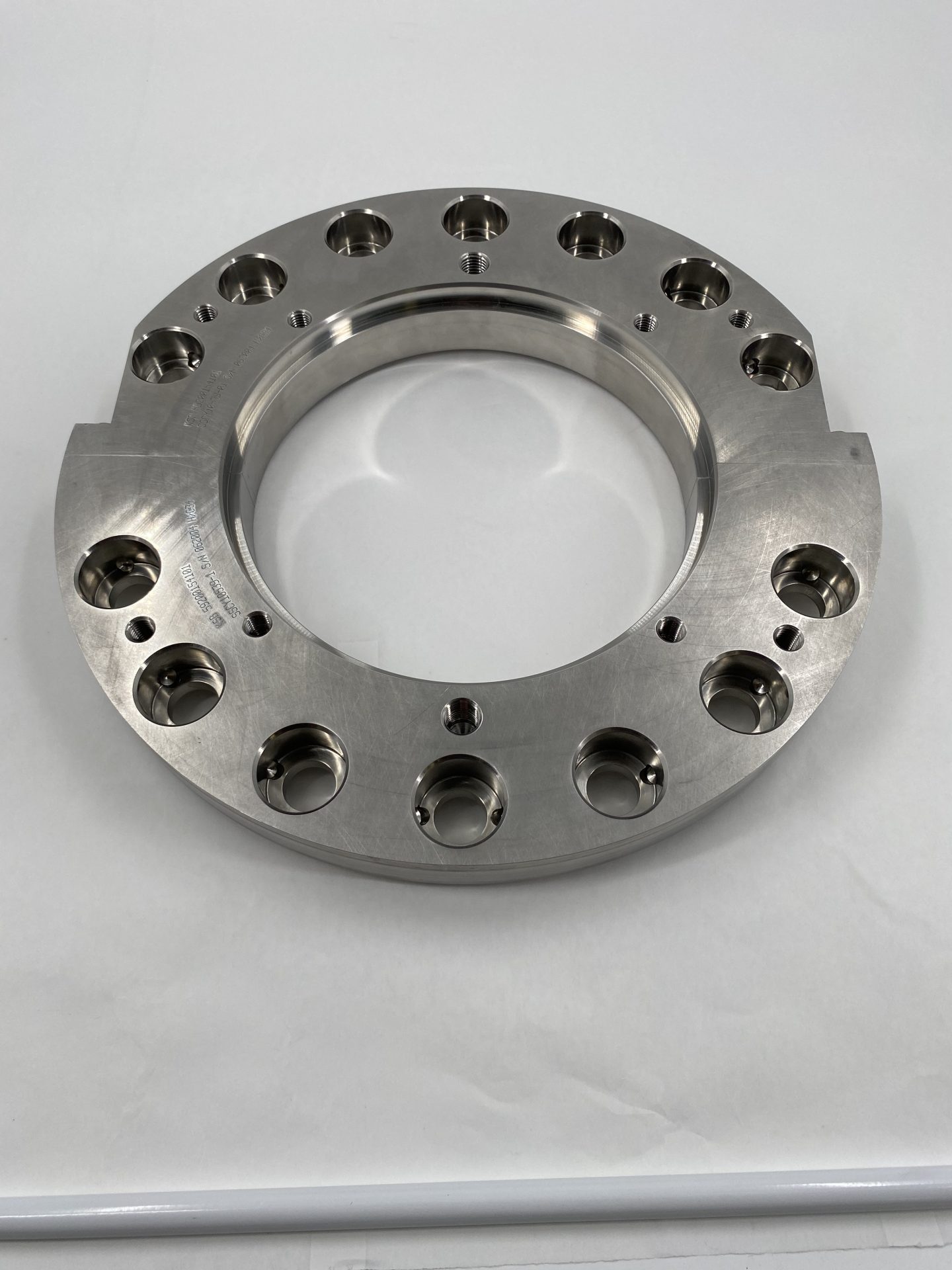
When the root cause points to the seal design itself, we can do something most repair shops cannot. Stein Seal has 70 years of seal design experience, more than 50 patented design improvements, and we invented the circumferential shaft seal. We can re-engineer the sealing solution to fit your actual application rather than forcing your application to live with an off-the-shelf compromise.
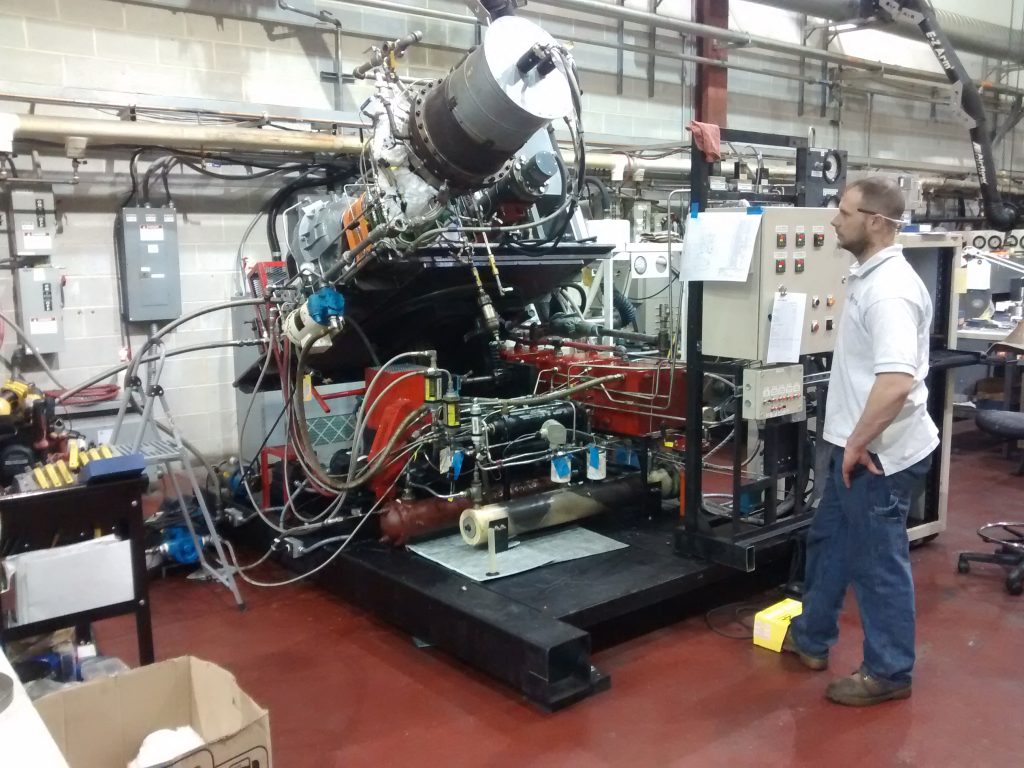
Taking testing and validation to the next level, every design is validated in our Dynamic Test Laboratory before it carries our name, where endurance testing runs around the clock.
The Payoff for Your Operation:
- For process engineers, that means fewer unplanned outages and cleaner reliability data.
- For plant managers, it means predictable run lengths instead of surprise shutdowns.
- For purchasing and operations leaders, it means spending once on a solution rather than repeatedly on symptoms.
No matter your position, if you work in an oil and gas operation that keeps getting stuck in a repeat-failure cycle, let us look at the seal and the system around it.
Whether you’ve been dealing with persistent reliability issues, the need for premature seal replacement, or you’re simply looking to establish a more reliable long-term maintenance schedule, our engineers are standing by to help you get there.