
The History of the Face Seal
Face Seals in Antiquity

The scientific underpinnings of the highly advanced, technologically complex mechanical face seals at use in industry today can be traced back to the earliest examples of rotating machinery developed thousands of years ago with the advent of agriculture and irrigation.
Those earliest seals made use of rudimentary materials such as clay, leather, and straw, which were packed around a rotating shaft to minimize water leakage during operation. While the materials used evolved over time, packing remained the primary approach for sealing against leakage in rotating machinery for thousands of years, right up through the Industrial Revolution.
As society industrialized, rotary seals became increasingly critical. The earliest motorized rotary machinery still relied on packing to manage leakage, but more advanced seals were needed for machines like pumps and the steam engine. Then, in 1928, an inventor named George Cook came up with the first true mechanical face seal using oil-lubricated carbon rings pressed up against a rotating surface. However, these early seals were limited in their effectiveness and lifespan.
Face Seals for the Space Age
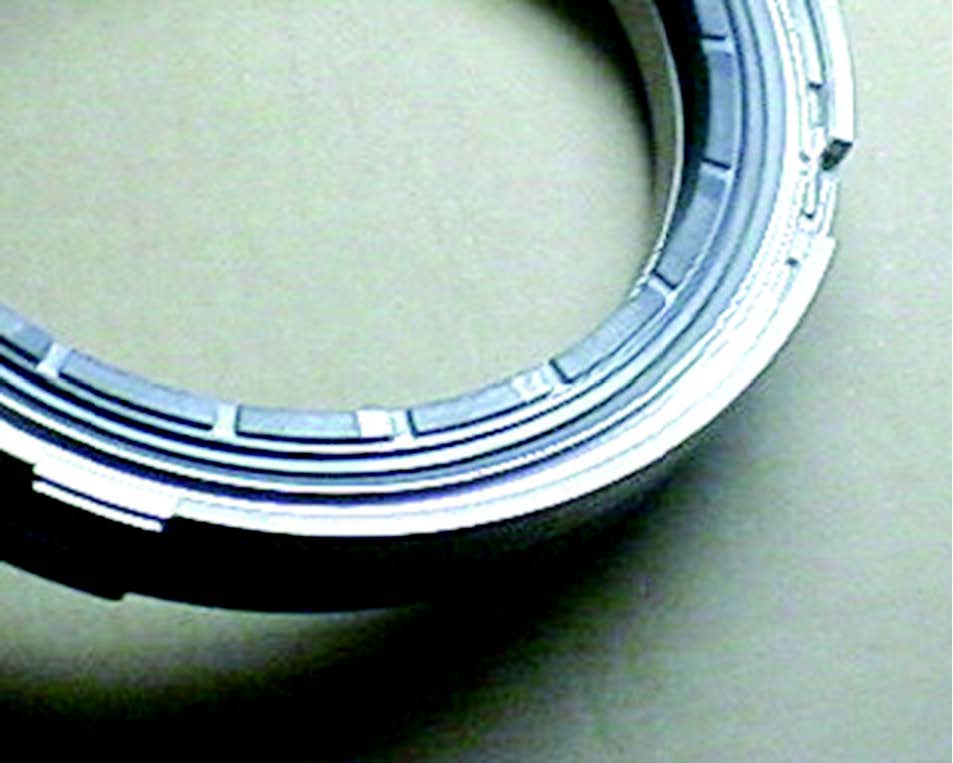 Finally, in the 20th century, a significant breakthrough occurred when Albert Einstein and Wander Johannes de Haas came up with flexible, rotating seal faces. This innovation set the stage for the modern mechanical face seal.
Post World War II, the demand for better seals increased with the rise of heavy machinery and industrialization. Engineers began developing more sophisticated mechanical face seals that could withstand higher pressures and speeds. Advancement continued apace through the middle decades of the century, with the introduction of new materials like ceramics, tungsten carbide, and advanced metal alloys improved the durability and wear resistance of seal components. Precision manufacturing techniques also enhanced the quality and reliability of face seals.
Advancements in precision engineering and manufacturing techniques improved the reliability and efficiency of seals, especially in high-pressure and high-temperature applications. Meanwhile, advancements in materials science brought us synthetic materials which vastly improved resistance to varied fluids and temperatures. Simultaneously, the development of advanced ceramics, silicon carbide, and advanced polymers drastically enhanced performance, durability, and reliability of mechanical seals, meeting the increasing demands of modern industry.
Face Seals Today & Tomorrow
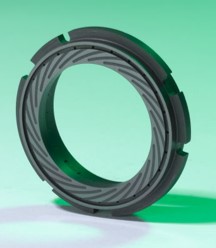 Subsequent advancements in computer-aided design (CAD), computer numerical control (CNC) manufacturing, and computational fluid dynamics (CFD) have empowered engineers to precisely model and optimize seals, further enhancing their efficiency and durability. Moreover, the increasing need to focus on sustainability has driven the development of seals aimed at reducing frictional losses and leakages, and the integration of cutting-edge materials, coatings, and surface treatments into designs.
Today, mechanical face seals are indispensable across industries, ensuring the seamless operation of critical machinery. Meanwhile, the innovation continues as new technologies like nanotechnology and 3D-printed prototyping are applied to seal design. Evolution is ongoing, motivated by the relentless pursuit of greater reliability, durability, and efficiency in mechanical face seals, and a testament to human ingenuity shaping the future of engineering.


