
The Benefits of Proper Seal Repair and Maintenance
Mechanical seals are complex, heavily engineered devices that play a critical role in countless operations throughout modern industry. By preventing leaks in pumps, compressors, and other equipment that handle fluids. in industries ranging from oil and gas to chemical processing and water treatment, mechanical seals are indispensable for maintaining the integrity of equipment and ensuring safe, efficient processes of vital importance to daily life as we know it. However, like all mechanical components, seals are subject to wear and tear over time just through normal use. With proper maintenance, the life of a critical mechanical seal can be extended. Fortunately, as seal technology has advanced, so has our ability to accurately predict the lifespans of their individual components. Armed with this insight, a maintenance and repair schedule can be generated to ensure vulnerable components are renewed or replaced before their degradation advances to the point where they can compromise seal safety and impair performance. Adhering to the seal manufacturer’s recommended schedule of preventive maintenance is essential to avoiding costly breakdowns, maximizing equipment life, and maintaining optimal efficiency.
Five Reasons to Perform Preventive Maintenance
Mechanical seals are essential. Without them, much of modern industry and infrastructure would not be possible. They are also expensive, often costing more than any other component in the systems they serve. That alone would seem reason enough to keep seals maintained and running in optimal condition. But there are many additional reasons to do so, including:
Avoiding Unplanned Downtime
In any industrial operation, unexpected shut-downs can hit hard on the bottom line. A failure in a critical seal assembly can cripple your operation, leaving you dead in the water until a repair can be made. This can disrupt production and create problems for your customers down the line. Preventive maintenance allows for the early detection of issues before they escalate into full-blown failures. By regularly inspecting and maintaining mechanical seals, technicians can identify early warning signs such as minor leaks, abnormal vibrations, or changes in operating temperature. Addressing these issues proactively helps avoid unexpected equipment failures and costly shutdowns.
Extending Equipment Life
Mechanical seals are often subject to various stresses, including extreme temperature and pressure fluctuations, and exposure to harsh chemicals. Over time, these factors can break down sealing elements, causing them to degrade and, eventually, to fail. Regular maintenance, including lubrication, alignment adjustment, and periodic replacement of certain parts, can help preserve the seal in optimal condition while preventing further systemic damage that could result from seal failure.
Enhancing Operational Efficiency
The efficiency of pumps, compressors, and other machinery directly affects the viability and performance of industrial operations. A mechanical seal that is not functioning properly can cause inefficiencies such as leaks or increased energy consumption. Seals that are properly maintained to manufacturer specifications should perform at optimal levels. This is especially important in industries where precise fluid handling is critical, such as in chemical processing or food and beverage manufacturing. Preventive maintenance ensures that seals are functioning properly, minimizing fluid loss and energy waste.
Promoting Workplace Safety
Leaking fluids or gases in an industrial context can pose serious risks to personnel and the environment. A failure in a mechanical seal can lead to the release of dangerous chemicals, creating potential safety hazards. Regular maintenance helps to mitigate these risks by ensuring that seals are in good condition and working as intended. This proactive approach not only protects employees from exposure to harmful substances, but also helps industries comply with safety regulations and environmental standards. Preventive maintenance reduces the likelihood of accidents and improves the overall safety of the workplace.
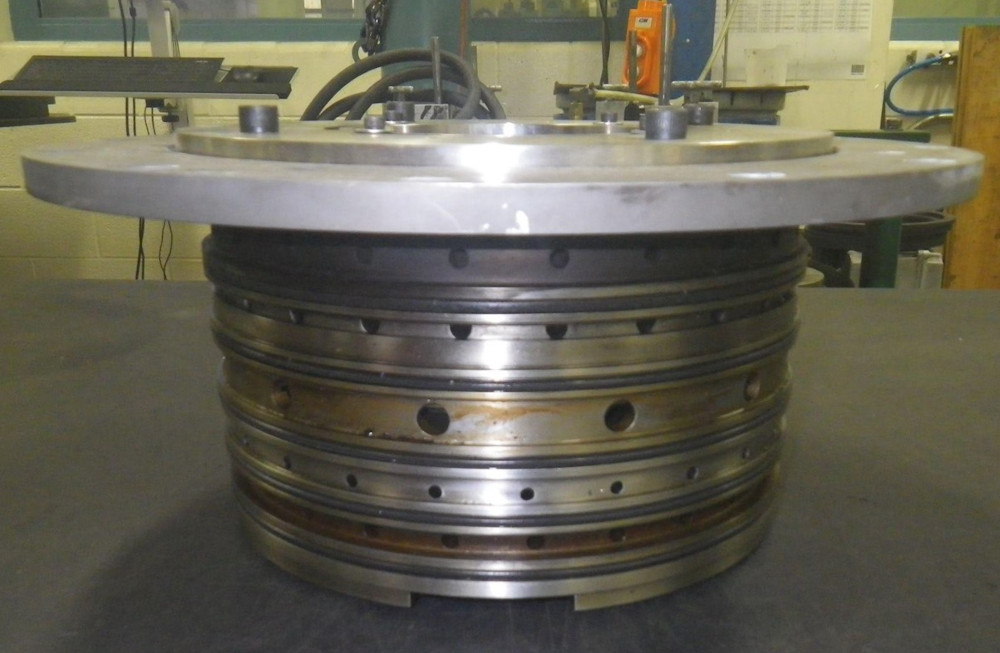

SSCY 10419 Dry Gas Seal Repair
Scheduled Maintenance Vs Emergency Repairs
While some business owners view scheduled maintenance as an optional expense, it is generally far more cost-effective to maintain equipment than to repair or replace it, especially in a crisis. Emergency repairs are often priced at a premium. That unplanned expense can be crippling, particularly when combined with lost revenues due to an emergency shutdown. With scheduled routine maintenance, companies can plan ahead to mitigate the repercussions of any necessary shutdown, while effectively eliminating the chance of catastrophic failure down the road.
Elements Subject to Wear and Tear
Depending on the construction of a particular seal, the parts most prone to deterioration through normal use can vary. Here are some of the parts most likely to be adversely affected.
SEAL FACES
Typically made from materials like carbon, silicon carbide, and tungsten carbide, seal faces are subjected to constant friction and high pressure, leading to wear and possible leakage.
ELASTOMERIC COMPONENTS
Elastomeric elements like gaskets or O-rings are prone to hardening, cracking, or swelling due to heat, pressure, and exposure to chemicals.
SPRINGS
Spring mechanisms in mechanical seals provide the necessary pressure to hold sealing faces together, but can corrode or lose tension over time.
METAL BELLOWS
The relatively delicate folds of the metal bellows are susceptible to fatigue, cracking, and corrosion, especially in high-temperature or corrosive environments.
Real World Examples
Here are some examples of common mechanical seals along with a rundown of their components most prone to failure.
PUSHER SEALS
Common Applications: Pumps and compressors.
Wear Components: The dynamic O-rings or gaskets in pusher seals move axially along the shaft during operation. This movement causes wear and can lead to leaks over time. The seal faces, typically made of carbon, ceramic, or tungsten carbide, also degrade due to friction and pressure.
BELLOWS SEALS
Common Applications: High-temperature or corrosive fluid handling, such as in chemical processing.
Wear Components: Bellows, which are metal or elastomeric, experience stress and can crack or degrade. The seal faces in these seals are also vulnerable to wear from friction, causing leaks if not maintained.
CARTRIDGE SEALS
Common Applications: Centrifugal pumps, agitators, and mixers in the oil and gas, chemical, and food industries.
Wear Components: The sealing faces made of carbon, silicon carbide, or ceramic suffer from wear due to constant contact and the potential for abrasive materials in the fluid stream. Elastomer O-rings or gaskets inside the cartridge are also susceptible to degradation.
SPLIT SEALS
Common Applications: Large pumps in industries like wastewater treatment or mining.
Wear Components: The split design allows for easy installation and removal, but the split nature makes the sealing surfaces more vulnerable to misalignment or wear, leading to fluid leakage over time.
GAS SEALS
Common Applications: High-speed compressors in oil and gas, chemical, and petrochemical industries.
Wear Components: Gas seals operate with extremely thin gas films between sealing faces, which minimize friction, but any contamination or misalignment can cause wear on the sealing faces, leading to reduced sealing efficiency.
Potential Repercussions of Failing to Maintain Seals
Some common problems that can occur in seals when not adequately maintained. Any of these issues can be easily avoided through maintenance. Conversely, most of them can be difficult to rectify once damage has set in.
INCREASED LEAKAGE
As seals wear, they lose their ability to contain fluids, leading to leakage. In pumps, this leakage can cause fluid loss, equipment damage, and safety hazards.
ENVIRONMENTAL CONTAMINATION
Leaking seals can release hazardous fluids or gases, contaminating the environment and leading to costly fines and cleanup.
EQUIPMENT FAILURE
Seals protect bearings and other internal components from fluid ingress. If a seal fails, it can lead to internal corrosion, overheating, and eventual equipment breakdown.
DECREASED EFFICIENCY
Worn seals lead to inefficient equipment operation, increasing power consumption and reducing throughput.
HIGHER MAINTENANCE COSTS
Delaying seal maintenance leads to more frequent seal replacements, downtime, and potentially larger repairs or replacements for the affected equipment.
Spare Parts Held in Reserve
Material availability, production capacity fluctuations, and the challenges of a globally sourced supply chain significantly affect manufacturing capacity. It is recommended to keep spares of critical seals and sealing components in case of sudden catastrophic failure. Supply chains cannot always be relied upon, and certain materials can be difficult or even impossible to obtain on short notice. It is not uncommon for raw materials that once required four to six weeks to take sixty to one hundred and twenty days for delivery now.


